

When does history actually change? CEE’s issue 12 opens with that question and takes you from France in 1789 to Gandhi’s India and Poland’s Solidarity, asking what happens when millions of people stop propping up a system with their everyday obedience. Then it heads to Germany: on September 20, 2026, Die Linke won in Berlin while the AfD came first in Mecklenburg-Vorpommern. What does that say about a democracy with no stable center? The analysis compares Spain, Chile, Argentina and Uruguay, and adds a profile of Beatrix von Storch, one of the most talked-about voices in German politics. The rest is all about Cuba, from three angles: why people don’t rise up, the cultural fight behind “Patria y Vida,” and the energy crisis with its possible paths toward a transition. It’s 130 pages with sources cited. You don’t have to agree with everything, and you probably won’t. Read it, check it, and make up your own mind. If something convinces you or gets under your skin, write to us.
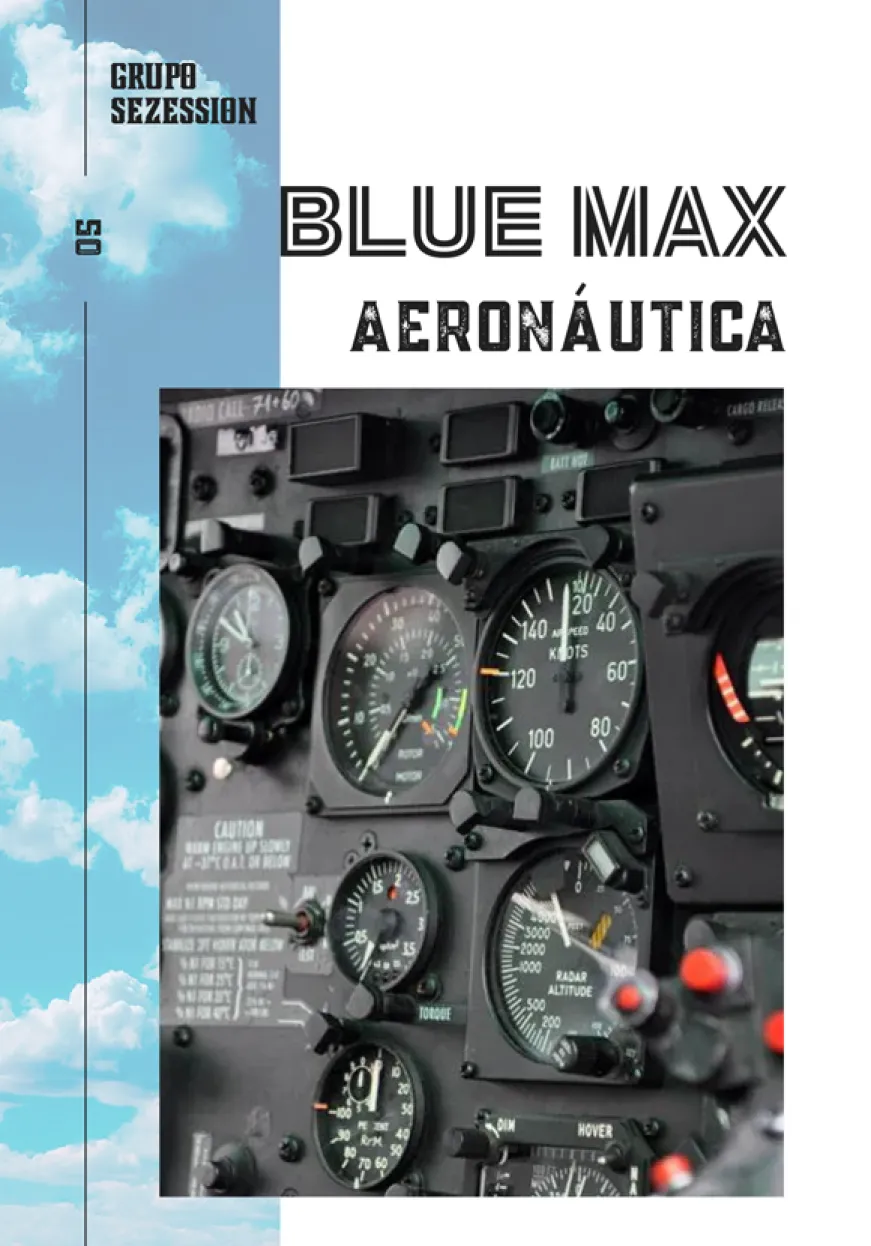
Blue Max Nª5
Blue Max No. 5 examines the Me 163 Komet rocket fighter, technical evolution of Kamov Ka-50/Ka-52 helicopters in Ukraine, aerial asymmetry and stealth warfare between Armenia and Azerbaijan, and fatigue reporting as system feedback.
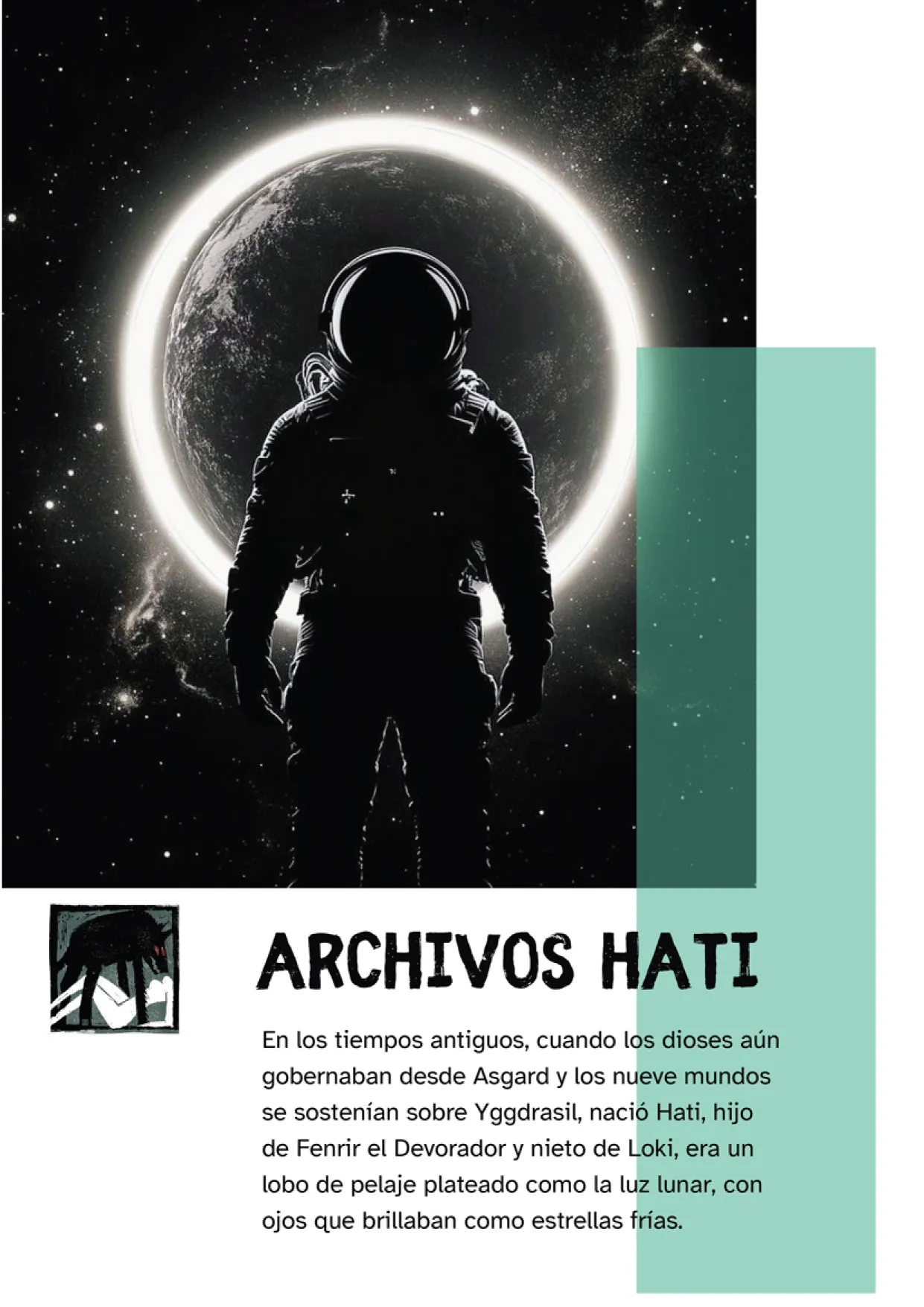
ARCHIVOS HATI N°16
Covers the wolf Hati myth, a critique of transhumanism, "The Secret Commonwealth" & cryptoterrestrials (Kirk & Vallée), the Frösön UFO encounter (Sweden, 1949), the Monte Verde site debate in Chile, and the Palos Verdes and Zanfretta cases.
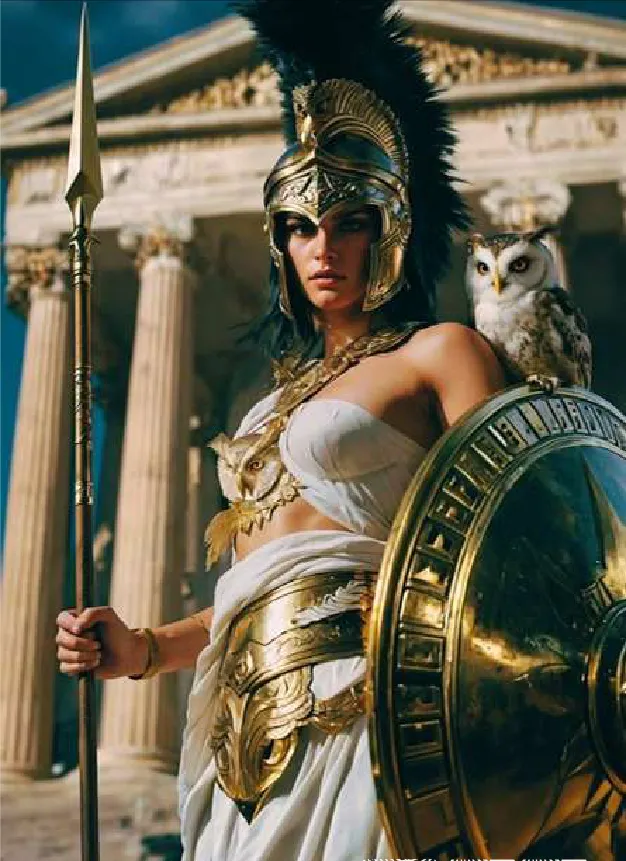
CEE Nº 12
When does history actually change? From France in 1789 to Gandhi’s India and Poland’s Solidarity. Then looks at Germany, where Die Linke won in Berlin and the AfD in Mecklenburg. Cuba: why people don’t rise up, the cultural fight and the energy crisis. 130 pages with sources. You don’t have to agree with everything. If something convinces you or gets under your skin, write to us.
Disagrees with good reason.
If you disagree, let us know why. The best responses will be featured in the next issue!
Send us your text.
Do you have a story, an analysis, or a question?